Medically reviewed by Dr. Jonathan Murray, Board-Certified Orthodontist
Murray Orthodontics | Serving Palm Beach Gardens, Royal Palm Beach & all of Palm Beach County
If your child’s dentist in Palm Beach Gardens mentioned a narrow palate, you probably want straight answers, not a wall of jargon. At Murray Orthodontics, Dr. Jonathan Murray evaluates children and teens at our Palm Beach Gardens office to determine whether a palate expander can create more room, correct a crossbite, and improve how the upper and lower jaws fit together.
What This Page Covers
- What a palate expander does and why an orthodontist would recommend one
- Who can benefit: children and teens (and why timing matters)
- The Hyrax expander Dr. Murray uses and how it works
- Signs your child might need an expander
- What to expect during treatment, including the honest stuff about discomfort
- How expanders work alongside braces at Murray Orthodontics
- Cost, insurance, and what Phase 1 treatment looks like
If you already know you want to talk to someone, Dr. Murray offers free consultations at our Palm Beach Gardens office. He’ll examine your teeth and bite personally and walk you through exactly what he recommends and why.
What Is a Palate Expander?
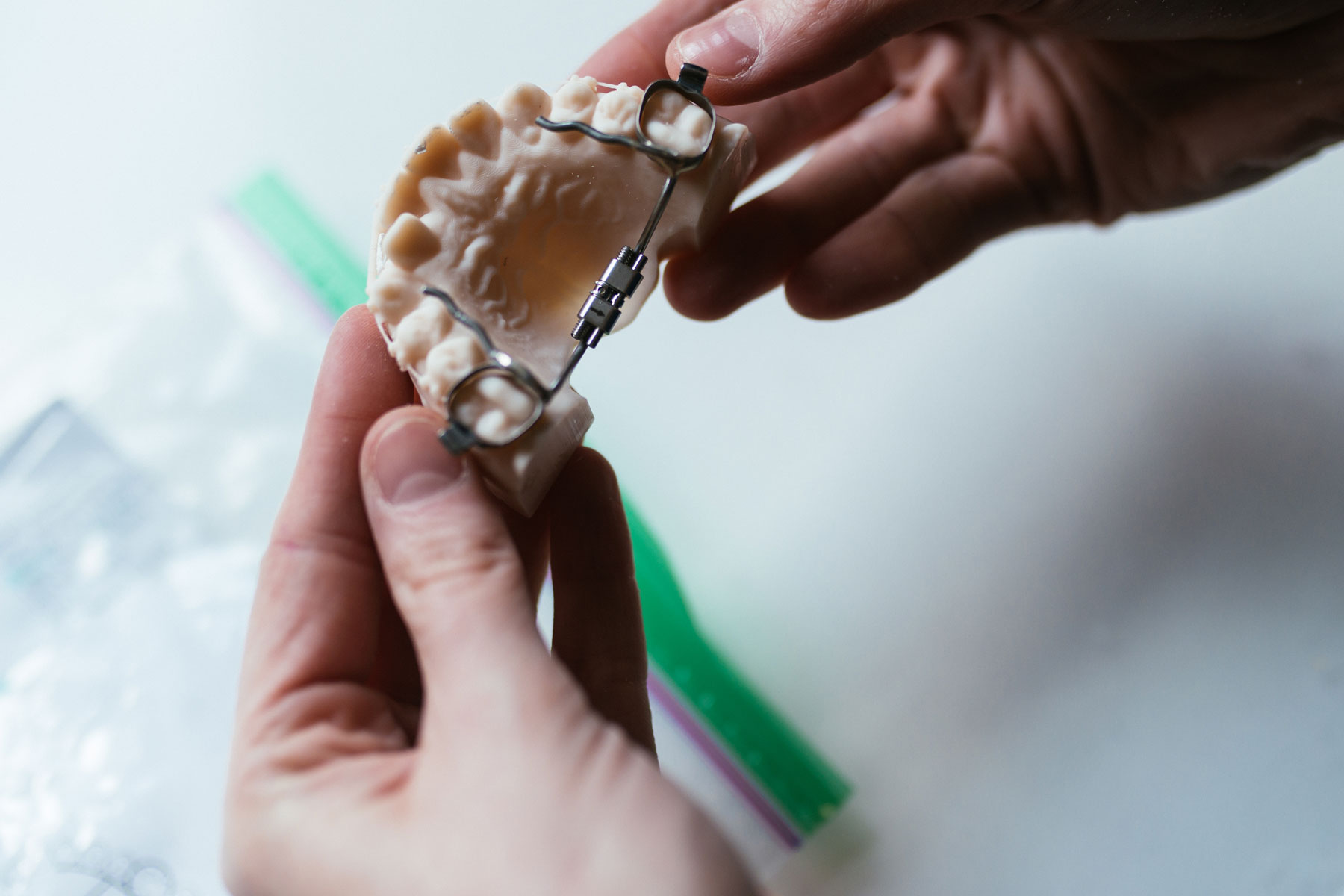
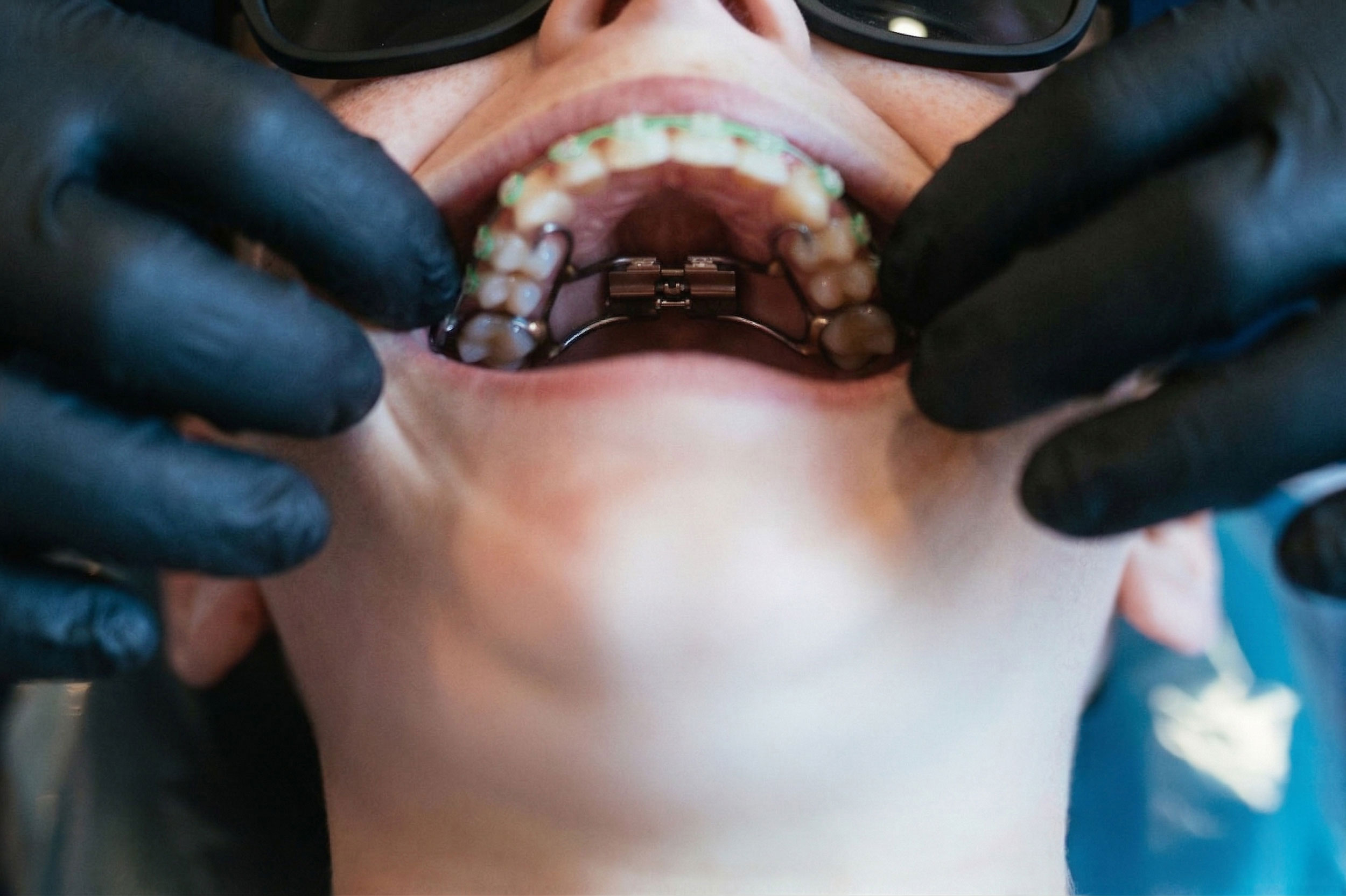
A palate expander is an orthodontic appliance that gradually widens your upper jaw. It sits on the roof of your mouth and applies gentle, consistent pressure that slowly separates the two halves of the upper jaw, allowing new bone to form in the space created.
Most people don’t think about the fact that your upper jaw is actually two separate bones joined at the center by a suture (a fibrous joint). In children and younger teens, that suture is still soft and responsive. An expander takes advantage of that window to guide jaw growth in the right direction before the bones fuse together.
The result: more room for teeth to come in properly, a better bite, and in many cases, a broader smile without needing to pull permanent teeth later on.
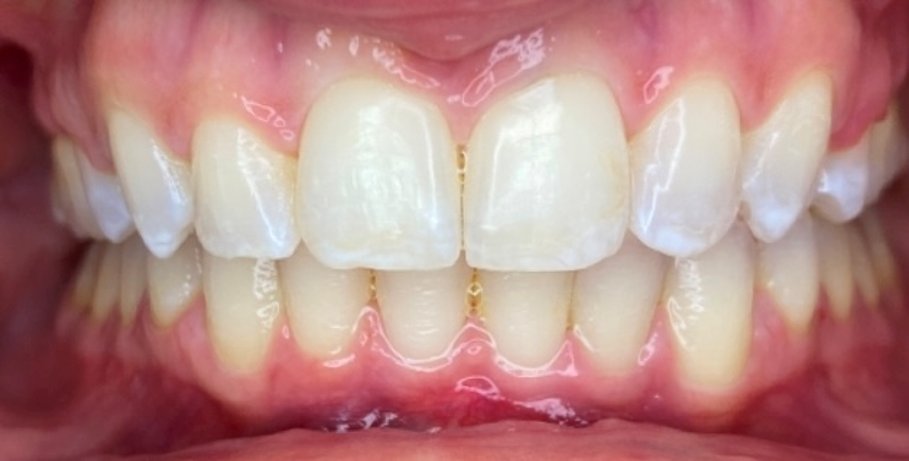
What catches a lot of parents off guard is the gap. When an expander is actively working, a small space may temporarily open between the two upper front teeth. This is completely normal. It’s actually a sign the expander is doing its job. The space closes on its own once the expander is removed.
Who Needs a Palate Expander?
Palate expanders are one of the most common early orthodontic appliances, and families throughout Palm Beach Gardens, Jupiter, and the surrounding area ask about them regularly. But not every child who needs orthodontic treatment needs one. Here’s a breakdown by who they’re most commonly recommended for:
Children (Ages 6–12)
This is the ideal window for palate expansion. The mid-palatal suture hasn’t fused yet, bones are responsive, and treatment works faster with more predictable results. A child can often complete the active expansion phase in just 1–2 months.
The American Association of Orthodontists recommends that children have their first orthodontic evaluation by age 7. This isn’t because every 7-year-old needs treatment. It’s because this is when an experienced orthodontist can spot a narrow upper jaw early, before it creates bigger problems.
Common reasons a child might need an expander:
- A crossbite (where upper back teeth bite inside the lower ones)
- Crowding that’s going to be significant when permanent teeth come in
- An impacted tooth that doesn’t have room to erupt on its own
- A narrow arch that’s contributing to mouth breathing or airway issues
Teens (Ages 12–18)
Treatment is still possible during the teen years but needs to happen before the mid-palatal suture fully closes. The timing depends on individual bone maturation and varies by patient rather than following a strict cutoff age. The window is narrower than in younger children, and expansion takes a bit longer, but results are still very achievable with the right appliance.
Expanders for teens are often used alongside braces as part of a comprehensive treatment plan. At our Palm Beach Gardens orthodontic office, Dr. Murray uses x-rays to evaluate suture maturation directly rather than relying on age alone.
When Does a Child Need a Palate Expander?
A child typically needs a palate expander when the upper jaw is too narrow to fit the teeth properly or to match the width of the lower jaw. The most common triggers are a posterior crossbite, significant crowding in the permanent teeth, or an impacted tooth that can’t erupt on its own. Because these problems don’t correct themselves over time, catching them during the growth window makes the fix much simpler.
If your child’s dentist has mentioned any of these issues, a free evaluation at our Palm Beach Gardens office is the natural next step. Dr. Murray will examine the bite and take any x-rays needed to give you a clear picture.
The Different Types of Palate Expanders
At Murray Orthodontics, Dr. Murray uses the Hyrax Rapid Palatal Expander (RPE) exclusively. It’s a fixed, all-metal appliance cemented to the back molars. There’s no acrylic covering the roof of the mouth, which makes it easier to keep clean and more comfortable day to day than bulkier designs.
The Hyrax works by applying gentle pressure to gradually separate the two halves of the upper jaw. A small key is used to activate it 1–2 times per day, creating a tiny amount of expansion with each turn. It’s custom-made for each patient from a precise digital scan of the teeth, so no goopy impressions.
While other expander types exist, Dr. Murray recommends the Hyrax because of its consistent results, ease of hygiene, and proven track record in children and teens.
Signs Your Child Might Need a Palate Expander
Not sure if your child is a candidate? Here are the most common signs parents notice before an orthodontist confirms a narrow jaw:
| What You’re Noticing | What It Might Mean |
|---|---|
| Upper back teeth bite inside the lower teeth | Posterior crossbite |
| Crowded or overlapping teeth | Upper arch too narrow for all the teeth |
| A permanent tooth that hasn’t come in yet | Possible impaction from lack of space |
| Mouth breathing, especially during sleep | Narrow palate restricting nasal airway |
| Front teeth that don’t meet when biting | Open bite related to jaw width |
These signs don’t guarantee an expander is needed — only an exam and x-rays can confirm that. But if any of these look familiar, it’s worth getting an evaluation before the growth window closes.
What Does Treatment Actually Look Like?
Getting the Expander Placed
Once the expander is custom-made from a precise digital scan of your child’s teeth (no goopy impressions), placing it is a straightforward appointment. The device is cemented to the back molars with dental adhesive. There’s no pain involved in placement. It’s just the adjustment of having something new in your mouth.
The Activation Phase
For key-activated expanders, you (or your child) will turn the expander 1–2 times per day using a small key. This takes about 10 seconds and is less intimidating than it sounds. Dr. Murray’s team will walk you through exactly how to do it before you leave the office.
After each turn, most patients feel a brief sensation of pressure that passes quickly. It’s not usually described as painful — more like the feeling after braces are tightened. Over-the-counter pain relievers handle the rare case where it’s bothersome.
The active expansion phase typically lasts 1–2 months. During this time, Dr. Murray sees patients every few weeks to track expansion progress and make sure everything is on course.
The Retention Phase
Once the target width is reached, the expander stays in place for several more months to let new bone fill in and stabilize. Rushing this phase is the main reason expansion can relapse. The retention period typically runs another 4–6 months.
Removal
When it’s time to come out, the orthodontist pops the bands off the molars and removes any residual adhesive. It’s quick and not painful.
Does a Palate Expander Hurt?
This is the question every parent asks. Here’s the honest answer.
The placement itself doesn’t hurt. What patients notice in the first few days is that talking and swallowing feel different. The expander takes up space, and the tongue has to learn where to go. Most kids adjust within a few days and stop noticing it.
The turns cause pressure, not pain. The sensation passes quickly. If your child is struggling with discomfort, soft foods and children’s ibuprofen (per package directions) are usually enough to help.
Most kids adjust faster than parents expect. Kids who got expanders often report forgetting it’s even there within a week.
Eating With an Expander
The main dietary restriction is avoiding hard, sticky, and chewy foods. These can bend wires, dislodge the appliance, or get packed into the device in ways that are hard to clean.
Foods to skip during expander treatment:
- Hard candy, popcorn, peanuts, ice
- Sticky foods like caramel, taffy, or gummies
- Chewy breads and bagels
- Corn on the cob (cut it off the cob instead)
- Whole raw carrots and apples (cut into small pieces)
Everything else is generally fine as long as it’s cut into manageable pieces. Most patients figure out their rhythm within a few days.
Keeping the expander clean is important. A small proxabrush or water flosser makes it much easier to get around the bands and wires after meals. Dr. Murray’s team will show you how during the appointment.
Palate Expanders and Braces: How Do They Work Together?
Expanders are often part of Phase 1 treatment (early intervention), which happens before a full set of permanent teeth has erupted. The goal of Phase 1 is to address the jaw structure itself while there’s still a growth window, which can simplify or reduce the scope of Phase 2 braces treatment later on.
At Murray Orthodontics, expander treatment is always followed by braces. The expander creates the space; braces then align the teeth and close any gaps that open during expansion. They work as a two-part solution.
This is called Phase 1 and Phase 2 treatment. Phase 1 addresses the jaw width while there’s still a growth window. Phase 2 (braces) fine-tunes tooth position once the permanent teeth are in. If you’re wondering whether your child needs Phase 1 treatment, the most important thing is getting an evaluation early enough that the option is still available. Once the growth window closes, the conversation changes significantly.
Can a Palate Expander Improve Breathing?
This comes up frequently, and the connection is worth understanding. The palate forms the floor of the nasal cavity. When the palate widens, it can expand the nasal passage above it, which may improve nasal airflow and reduce mouth breathing in appropriate cases.
Research supports that palate expansion can increase nasal airway volume, particularly in children, though outcomes vary by individual. For patients where a narrow palate is contributing to mouth breathing or airway concerns, expansion can be part of a broader evaluation that looks at jaw structure and nasal function together. It’s not a standalone treatment for every breathing issue, but for the right patient it’s a real and worthwhile part of the picture.
Orthodontists who focus on this connection, sometimes called airway orthodontists, often incorporate expansion into treatment planning that goes beyond straightening teeth. You can read more about how bite and airway development connect on our airway orthodontics page.
How Much Does a Palate Expander Cost?
At Murray Orthodontics, palate expanders are always part of a Phase 1 treatment plan that includes braces. Dr. Murray doesn’t place expanders as a standalone appliance. Phase 1 treatment (expander plus braces) typically ranges from $3,000 to $4,000 at this practice.
A few factors that affect the final cost:
- Complexity of the case — More involved crossbites or crowding may require a longer treatment timeline
- Treatment duration — The active expansion phase plus the braces phase that follows
- Insurance — Many dental insurance plans cover a portion of orthodontic treatment for children. Murray Orthodontics checks your benefits before your first appointment so you know exactly what’s covered before any decisions are made
The most important thing to know: you won’t leave your free consultation at Murray Orthodontics with unanswered questions about cost. Dr. Murray’s team provides a complete financial breakdown, including insurance benefits, out-of-pocket costs, and payment plan options, as part of every consultation. No pressure, no vague estimates.
Common Questions About Palate Expanders
How long does a palate expander stay in?
For most children, the active expansion phase takes 1–2 months, followed by a retention phase of several months to allow new bone to stabilize. Dr. Murray will give you a clear timeline at your consultation based on your child’s specific case.
Can adults get palate expanders?
Palate expansion is most effective in children and younger teens whose jaw suture is still open. At Murray Orthodontics, expander treatment is provided for children and teens only. If you’re an adult with concerns about jaw width or bite alignment, Dr. Murray will evaluate your situation and discuss what options make sense for your specific case.
Will a palate expander change how my child looks?
Often yes, and usually in a positive way. Wider arches tend to create broader, more balanced smiles. Parents frequently notice their child’s smile looks fuller after treatment. Any facial changes are subtle and become more apparent as permanent teeth come in.
Does a palate expander cause a gap between the front teeth?
Temporarily, yes. A gap between the two upper front teeth is a normal sign that the expander is working. It usually begins closing on its own during the retention phase and resolves completely once the expander is removed.
What happens if we don’t treat a narrow palate?
A narrow upper jaw that goes unaddressed can contribute to dental crowding that requires tooth extractions later, a worsening crossbite, difficulty chewing, ongoing mouth breathing, and more complex treatment as an adult. Early intervention is almost always less involved, and less costly, than waiting.
Is a palate expander the same as a retainer?
No. Retainers maintain tooth position after orthodontic treatment. Palate expanders actively change jaw structure by widening the arch. A removable expander might look like a retainer, but its purpose is completely different.
How do I know if my child needs a palate expander?
The honest answer: only an orthodontist can tell you after examining the teeth, jaw, and x-rays. Signs that are worth having evaluated include a crossbite, noticeable crowding in baby or permanent teeth, mouth breathing, or difficulty chewing. A free consultation with Dr. Murray is the best starting point.
Will my orthodontist give me a palate expander?
Only if you actually need one. Palate expanders are recommended when there’s a genuine skeletal issue: a narrow upper jaw, a crossbite, or significant crowding that expansion can address. An orthodontist won’t recommend one just to recommend it. If Dr. Murray doesn’t think an expander is the right call for your situation, he’ll tell you that directly and explain what is.
How much should a palate expander cost?
At Murray Orthodontics, expanders are always part of Phase 1 treatment, which includes braces. Phase 1 treatment typically ranges from $3,000 to $4,000 at this practice. Insurance often covers a portion for children. Murray Orthodontics checks your benefits before your first appointment so there are no surprises on cost.
What age is too late for a palate expander?
The window for traditional palatal expansion closes when the mid-palatal suture fully fuses, which varies by patient but generally occurs during the mid-to-late teens. This is why early evaluation matters so much. The AAO recommends a first orthodontic screening by age 7 precisely because problems like a narrow upper jaw are far simpler to address while the jaw is still growing.
Where can I get a palate expander in Palm Beach Gardens, FL?
Murray Orthodontics offers palate expander treatment at our Palm Beach Gardens office for children and teens. Dr. Murray personally evaluates bite, jaw width, and available space before recommending whether expansion is the right next step. Schedule a free consultation to find out whether your child is a candidate.
Why Palm Beach Gardens Families Choose Murray Orthodontics for Expander Treatment
Dr. Jonathan Murray is a board-certified orthodontist, a voluntary credential beyond state licensure that requires passing rigorous written and clinical exams through the American Board of Orthodontics. His training at the University of Florida’s orthodontic residency program and ongoing education keep him current on the most effective approaches for children and teens.
Parents consistently describe him as conservative and compassionate, meaning he recommends treatment when it’s warranted, explains why clearly, and never pushes you toward more than your child actually needs. That matters when you’re evaluating whether your child actually needs an expander or whether someone is just trying to sell you one. If another office has already recommended an expander and you’d like a second set of eyes before moving forward, Dr. Murray offers a free, no-obligation second opinion for children and teens.
The practice has 280+ five-star Google reviews across both Palm Beach County locations, and was recognized as the Best Orthodontist in Palm Beach County in 2023, 2024, and 2026.
Here’s what patients are saying:
Dr. Murray is conservative and compassionate. The incentive program keeps my son on top of his oral care and accountable.
Dr. Murray explained everything clearly and answered any questions I had. I recommend Murray Orthodontics to anyone looking to get orthodontic treatment in the Palm Beach Gardens area. 10/10
At your free consultation, Dr. Murray will personally evaluate your child’s teeth and bite, review the imaging needed, and give you a clear treatment recommendation with a full financial breakdown. No surprises, no pressure.
Our Palm Beach Gardens office serves families from throughout northern Palm Beach County, including Jupiter, Juno Beach, North Palm Beach, Lake Park, and Westlake. Our Royal Palm Beach office is convenient for families coming from Wellington, Loxahatchee, and Greenacres.